Posts by techdc

Stake US Promo Code: Use Stake Promo Code BALLISLIFE & Get $55

confiable stake casino se ha hecho un hueco en el panorama del juego online español, atrayendo a muchos usuarios. Para ir más allá de la publicidad, hemos acompañado durante medio año a un jugador español, desde que se dio de alta hasta hoy. Este es su relato, con sus luces y sus sombras, sobre los juegos, las promociones y el trato con el servicio de atención.

Contactos con el soporte al cliente

A lo largo de estos meses, Carlos tuvo que contactar con el soporte tres veces. Dos fueron por consultas sobre los términos de un bono, y la otra por lo de la verificación extra. Usó principalmente el chat en vivo de la web. Le ayudaron con educación y le aclararon las consultas en unos diez minutos de media.

Le satisfizo que los agentes conocieran al detalle las reglas de las promociones. Su pega fue que en momentos de mucha afluencia, la espera en el chat podía alargarse más de un cuarto de hora. Para cosas menos urgentes, también mandó algún email y le contestaron siempre antes de 24 horas.

Inicio y registro en la plataforma

Carlos, un madrileño de 32 años, halló el registro en Stake Casino bastante directo. Solo tuvo que poner su email, crear una contraseña y aceptar los términos. Lo que sí es un trámite obligatorio para poder retirar dinero es la verificación de identidad. Subió su DNI y en menos de un día tenía la cuenta confirmada, sin ningún problema.

Su primera impresión al entrar fue buena. Le gustó el diseño, moderno y con un menú fácil de usar. Vio enseguida los clásicos juegos de casino y la zona de apuestas deportivas. Eso sí, la cantidad de opciones disponibles le pareció un montón al principio, algo que le ha pasado a más de uno al llegar a una web tan cargada.

Evaluación final tras medio año experiencia

Luego de seis meses participando de forma regular, Carlos efectúa un balance favorable. Cree que Stake Casino presenta una propuesta atractiva para el público local de aquí: muchos juegos, una plataforma que trabaja bien y operaciones con dinero que suelen ser rápidas. Lo que más aprecia es la nivel del casino en vivo y las bonificaciones para los jugadores que ya son asiduos.

Como aspectos negativos, menciona el sobrecarga de datos en la página de inicio, que puede abrumar, y que a veces el soporte se vuelve lento en horas pico. Su objetivo es seguir usando la plataforma, pero sin olvidar nunca los límites que él mismo se ha marcado. Su experiencia es un recordatorio de que el juego online ha de ser solo entretenimiento, y con reglas precisas desde el inicio.

Explorando la colección de títulos y estudios

Indudablemente, lo que más le impactó a Carlos resultó ser el listado de juegos. Invirtió las semanas iniciales https://data-api.marketindex.com.au/api/v1/announcements/XASX:AGI:2A1580575/pdf/inline/cy24-full-year-financial-results-investor-presentation testando un poco de todo. Descubrió numerosas tragamonedas de estudios conocidos como Pragmatic Play, NetEnt y Play’n GO, con temáticas para todos los estilos: ya sea dioses nórdicos pasando por exploradores en el Amazonas.

El apartado en mesas en directo

Donde más se enganchó se convirtió en el casino en vivo. Desarrolladores como Evolution Gaming y Ezugi tenían sesiones de blackjack, ruleta y baccarat con crupiers de verdad. A Carlos le gustó la nitidez de la imagen, que no se cortaba, y la posibilidad de interactuar con el resto de participantes. Resultaba lo más cercano a hallarse en un casino sin moverse del sofá.

Wagers deportivos y eventos especiales

Carlos es un fan del fútbol, así que también le dedicó tiempo a las apuestas deportivas. Las probabilidades para LaLiga y la Champions League las encontró atractivas, y se ofrecían opciones para deportes menos populares. La función de jugar en tiempo real, con números que se renuevan en tiempo real, le resultó muy útil para estar al tanto de los partidos.

Ingresos y retiros: celeridad y métodos

Con el dinero, todo funcionó a la perfección en la mayoría de ocasiones. Carlos ingresó usando medios habituales aquí como tarjeta Visa, Skrill y Neteller. El dinero se mostraba en la cuenta al instante, sin esperas. Para cobrar las ganancias, los plazos de tramitación cambiaban: a veces eran cuestión de horas, otras veces requería un día laboral, según el método seleccionado.

Solo se produjo un ligero inconveniente. En una retirada de fondos, el sistema requirió una comprobación de seguridad extra y todo se aplazó un día más. Carlos entendió que es por seguridad, pero señala que en esos casos el departamento de atención al cliente debe aclararlo todo de forma clara para que el usuario no se agobie.

Pensamientos sobre el dominio y juego responsable

Carlos le invirtió tiempo a revisar las funciones de juego responsable que ofrece Stake Casino. La plataforma permite poner restricciones a los depósitos, a las pérdidas o al tiempo de conexión. Él estableció sus límites desde el primer día. Admite que son valiosos para no descontrolarse y recordar que esto es entretenimiento, no una fuente de ingresos.

También le resultó bien que la web exhiba de forma visible enlaces a organizaciones de ayuda contra la ludopatía, como las que hay en España. Para él, que estos recursos aparezcan a la vista es señal de la seriedad del sitio y de que satisfacen con lo que se espera en el mercado español.

Promociones, promociones y tiradas gratuitas de inicio

Al activar la cuenta, le dieron unos giros gratis de apertura. Aunque le fue útil, Carlos se dio cuenta pronto de que estos bonos siempre implican términos de juego. Hay que leérselas obligatoriamente. Con el transcurso, fue involucrándose en campañas periódicas, como los torneos de tragamonedas, que le daban un estímulo suplementario para participar.

Él percibió que Stake Casino no se concentra tanto en ofrecer grandes beneficios por depositar, sino en conservar satisfechos a los que ya apuestan. A él, particularmente, le encantó más este enfoque. Las premios por ser constante le provocaban sentir que la web lo valoraba, no que solo querían captarlo con un gancho.


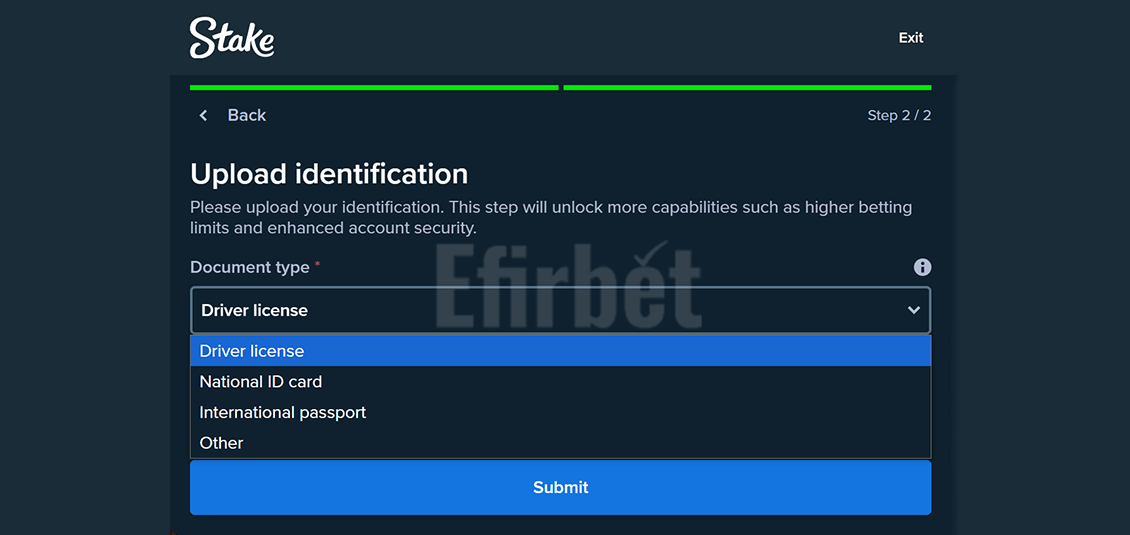
Stake US Review (Is Stake US Casino Legit?) Real Test

(주)우리웹스
Stake Promotions - Get the Best Stake Casino and Sportsbook Promotions

Exploring the world of online casino bonuses can sometimes appear complex, but at Stake Casino, we’ve simplified the process for our Australian players. Unlocking a bonus is a simple gateway to improving your play, providing extra value from the moment you register. In this guide, we will take you through every step, from opening your account to claiming your first reward. Our goal is to ensure you can access promotions confidently and understand exactly how they work. We’ll explain the essential requirements, the different bonus types available, and the simple activation methods. Let’s look at how you can activate these exciting opportunities and maximize your gaming experience with us. Our platform is designed for clarity, guaranteeing you spend less time figuring out processes and more time experiencing our vast selection of games.

Discovering Different Kinds of Bonuses at Stake

Stake Casino offers a wide range of bonuses tailored to suit various playing styles. Knowing what’s available enables you choose the promotions that best correspond with your interests. The most notable offer is the welcome bonus, often a matched deposit bonus or a package spread over your first few deposits. We also frequently provide reload bonuses, which reward you for subsequent deposits after the initial welcome. Free spins are another favored type, typically tied to specific slot games, giving you chances to win without using your own balance. Additionally, we host tournaments and races where you can compete for prize pools, as well as a unique weekly giveaway for our loyal players. Each bonus type has its own activation method and terms, so checking our promotions page regularly is the best way to stay updated on the latest opportunities. We craft our offers to cater to both casual players and high rollers alike.

Step-by-Step Guide to Claiming Your Initial Bonus

Unlocking a bonus at Stake Casino is a simple process. For most offers, particularly the welcome bonus, the activation is practically automatic upon meeting the conditions. Here is a straightforward, step-by-step guide to ensure you do not skip a step.

  1. Log In: Sign in to your confirmed Stake Casino account.
  2. Navigate to the Cashier: Click on your balance or the ‘Deposit’ button to access the banking section.
  3. Choose a Payment Method: Choose your preferred deposit method from our safe options.
  4. Make a Qualifying Deposit: Make sure your deposit amount equals or exceeds the minimum listed in the bonus terms.
  5. Enter a Bonus Code (if required): Some promotions demand a particular code entered in the ‘bonus code’ field during deposit.
  6. Confirm the Deposit: Finalize the transaction. For automatic bonuses, the funds or free spins will be added instantly.
  7. Check Your Balance: The bonus should now be live and shown in your account.

If you encounter any problems or the bonus does not display, our customer support team is accessible 24/7 to help you quickly. They can rapidly locate the transaction and ensure any eligible promotion is applied to your account without excessive delay.

Key Tips for Handling Current Bonuses

After a bonus is activated, effective management is essential to converting it into real, withdrawable cash. The first and most critical rule is to keep track of your wagering progress; you can typically monitor this in your account’s bonus section. Follow closely any maximum bet limits, as exceeding them can result in the bonus and any winnings being voided. We also suggest focusing your gameplay on games that offer 100% toward wagering requirements, which are normally slots, rather than table games which often contribute less. It’s equally important to be mindful of the time limit, as any unfulfilled wagering requirements when the clock runs out will lead to the forfeiture of the bonus funds. By remaining organized and informed, you keep control and boost your chances of a profitable bonus conversion.

  • Track Your Progress: Consistently verify how much of the wagering requirement you have met.
  • Observe Bet Limits: Do not ever surpass the maximum bet size listed in the terms.
  • Choose Games Wisely: Concentrate on high-contribution games to clear requirements effectively.
  • Set a Calendar Reminder: Note the bonus expiry date to avoid last-minute pressure.

Common Issues

Stake Casino Login & Registration ᐉ Sign up and Play

Occasionally, players could experience issues when trying to activate a bonus. We note that most issues are easily resolved by checking a few common points. If your bonus has not been credited, first check that your deposit was processed and fulfilled the minimum amount. Next, verify whether the bonus required a code and that you entered it correctly. Another typical reason is that the certain promotion may not be available in your region, so examining the geographical terms is important. Also, verify you haven’t already claimed a similar offer that renders you ineligible due to our “one bonus at a time” policy. If everything appears fine but the bonus is not yet activated, the most helpful step is to reach out to our support team. They can look into your account history and offer a definitive solution to get your bonus applied, ensuring you don’t miss out on the value you’re owed.

Enhancing Your Reward Adventure

To truly benefit from bonuses, a thoughtful approach is recommended. It’s not just about taking every promotion, but about using them intelligently to enhance your experience and potential returns. Start by handling your bankroll effectively; don’t add more than you’re willing to risk just to pursue a bonus. Always read the full terms and conditions to grasp the wagering requirements and game restrictions thoroughly. We advise concentrating on games you prefer and that contribute fully to the wagering. Furthermore, utilize our range of promotions, but be mindful of their expiry dates to sidestep giving up bonus funds. Finally, remember that bonuses are meant to prolong your playtime and raise your odds of success, so play responsibly. By applying these principles, you can guarantee a satisfying and entertaining time at Stake Casino, where the emphasis remains on fun and fair play.

Comprehending Bonus Requirements and Stipulations

Before you request any promotion, it’s crucial to know the common eligibility criteria and requirements that apply. These rules are set to promote fair play and a transparent gaming environment for all our users. First, nearly all bonuses necessitate a minimum deposit, which changes depending on the specific offer. Secondly, most promotions are governed by wagering requirements, which determine how many times you must bet the bonus amount before you can cash out associated winnings. We always advise reading the full terms and conditions of any bonus. Key points to verify include:

  • Wagering Requirements: The multiplier (e.g., 35x) you must fulfill on the bonus funds.
  • Game Weightings: Different games account for different percentages toward these requirements.
  • Time Limits: Most bonuses must be used within a specific period, such as 7 days.
  • Maximum Bet Limits: Restrictions on bet size while a bonus is active are common.

Comprehending these elements upfront avoids confusion and assists you to manage your gameplay strategy effectively sstake.eu. It transforms a bonus from a simple perk into a tool you can use intelligently to extend your session and discover new games with reduced risk to your own deposited funds.

Establishing Your Stake Casino Account

The initial step to claiming any bonus is, certainly, maintaining an active Stake Casino account. Registration is designed to be swift and protected, requiring only a few moments of your time. You’ll be required to provide some basic information, including a valid email address and a username of your choice. It’s crucial to enter all details accurately to ensure efficient verification processes later, which are required for claiming any winnings. Once you complete the form, you’ll generally need to verify your email address by clicking a link we dispatch you. After this, your account is ready, and you can continue to make your first deposit, which is the catalyst for most welcome offers. Keep in mind, you must be of legal gambling age and physically located in a permitted jurisdiction, such as Australia, to complete registration without issues. We use robust security measures to protect your data, giving you peace of mind from the very start of your journey with us.

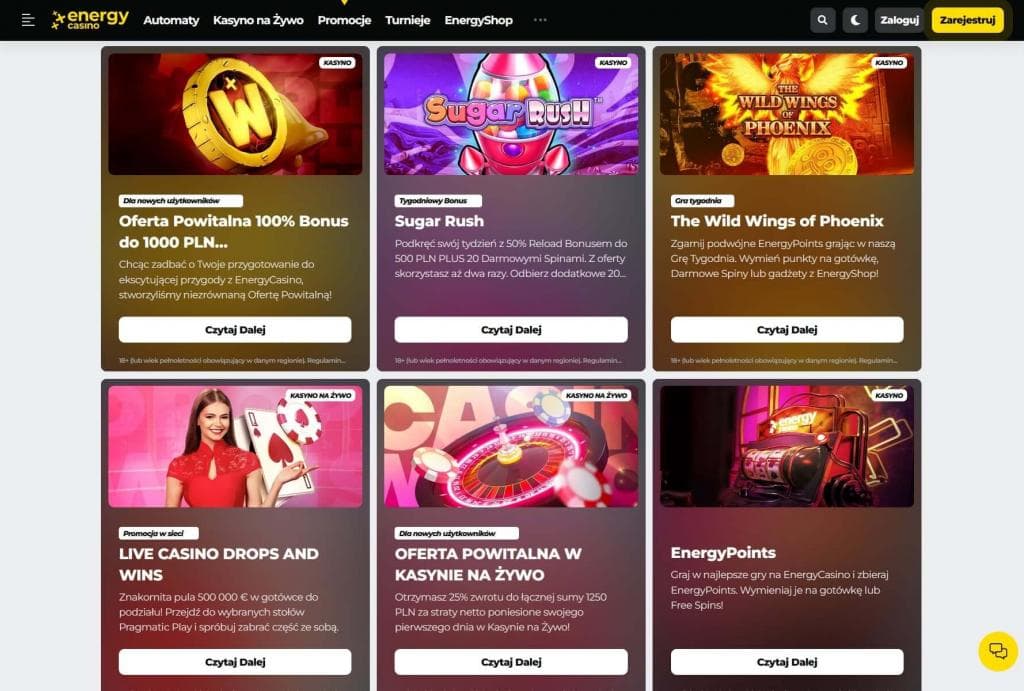
Energy Casino ️ 30 DS Bez Depozytu + 1500 PLN + 300 DS - Polskie Casino

Para todo jugador online, la seguridad es fundamental, no un lujo. En Royalstiger Casino Programa De Afiliados este planteamiento guía todas sus operaciones. Si juegas desde España, encontrarás un entorno digital donde la protección de tus datos y la transparencia del juego están garantizadas.

Licencia y Regulación: El Distintivo de Fiabilidad

RoyalsTiger Casino cuenta con una licencia oficial de Curazao. Este marco regulatorio, válido a nivel internacional, exige mucho más que un simple permiso. Obliga al casino a acogerse a auditorías continuas y a mantener un funcionamiento transparente para preservar su validez.

Por otro lado, la plataforma también respeta las leyes españolas que influyen a este sector. Esta supervisión dual implica que el casino funciona con integridad dentro de un marco legal claro. Los jugadores son capaces de disfrutar de su ocio en un espacio vigilado y con todas las garantías.

Normas de Juego Responsable y Asistencia

La seguridad también se relaciona con el manejo del jugador. Por eso RoyalsTiger Casino ofrece instrumentos de juego responsable. Desde tu perfil, puedes definir límites de gasto, de pérdida o de tiempo de conexión diario o semanal.

También hay la opción de tomar un descanso, con autoexclusiones temporales o permanentes. El casino proporciona enlaces directos a organizaciones de ayuda como Jugadores Anónimos. Dichas medidas reflejan un compromiso ético, intentando que el entretenimiento no termine en un problema.

Resguardo de Cuenta y Verificación

Asegurar el ingreso a tu cuenta es vital. El casino te solicitará que definas una contraseña fuerte, con combinación de letras, números y símbolos. Es tu inicial barrera de seguridad.

Pero dan un paso más lejos. Sugieren activar la verificación en dos pasos (2FA). Con esta alternativa, ingresar en tu cuenta necesita tu contraseña y un código de un solo uso que obtienes en tu móvil o email. Es un método simple que bloquea la mayoría de los intentos de sustracción de cuentas.

Pagos Seguros y Métodos de Pago

Claim 150 No Deposit Free Spins on Any Slot or Keno Game - Planet 7 Casino

El casino opera con formas de pago de toda confianza. Puedes utilizar tarjetas Visa y Mastercard, billeteras como Skrill o Neteller, y giros bancarios clásicas. Cada uno de estos servicios se adhiere con sus particulares y estrictos protocolos de seguridad.

Safe Online Casinos 2025 | List of Safest Online Gambling Sites

Todas las operaciones están protegidas. Asimismo, el casino no conserva los información completa de tu tarjeta en sus sistemas. Los procesos de ingreso y retirada son eficientes, pero contemplan verificaciones para impedir fraudes. Se resguarda al jugador y también a la totalidad de la plataforma.

Protección de Datos: Tu Información Bajo Seguridad Digital

¿Qué pasa con tu información personal y tus datos bancarios? RoyalsTiger Casino usa encriptación SSL de grado bancario en cada transacción. Este sistema convierte tus datos en un código ilegible para cualquier persona ajena que intente espiar la conexión.

Cada depósito, cada retirada, cada formulario que rellenas está protegido por este escudo. Es la misma tecnología que usan los bancos más importantes. Tu privacidad y tu dinero quedan a salvo de las amenazas más comunes de internet.

Juego Justo y Generadores de Números Aleatorios

La pregunta siempre está ahí: ¿son justos los resultados? En RoyalsTiger Casino, todos los juegos de azar, como las tragaperras o la ruleta, trabajan con Generadores de Números al Azar (RNG). Tales sistemas aseguran que cada giro y cada carta son totalmente al azar, sin un patrón predecible.

Para corroborarlo, estos sistemas RNG pasan pruebas periódicas a cargo de laboratorios independientes. Dichos auditores confirman que los juegos no están manipulados. Las probabilidades de ganar son las anunciadas, iguales para todos.

Preguntas Frecuentes (FAQ)

¿RoyalsTiger Casino está autorizado para operar en España?

Sí. Opera con una licencia internacional de Curazao y se acoge a la normativa española actual para el sector. Esto le faculta prestar sus servicios de forma legal dentro de un marco controlado.

¿Cómo protege el casino mis datos personales y financieros?

Mediante encriptación SSL de 256 bits, el estándar que emplean las entidades bancarias. Cada dato que envías desde tu dispositivo se encripta antes de transmitirse por internet, imposibilitando su lectura en caso de intercepción.

¿Cómo puedo estar convencido de que los juegos no están amañados?

Porque cada juego utiliza un Generador de Números Aleatorios (RNG) certificado. Auditores externos examinan estos sistemas con regularidad para comprobar que cada resultado es impredecible y justo. No hay engaño.

¿Qué protocolos de seguridad tiene mi cuenta de usuario?

La más importante es la autenticación en dos pasos (2FA). Complementando tu contraseña, requieres un código temporal que aparece en tu móvil. Es como tener una segunda cerradura en la puerta.

Utilidades de protección de cuenta:

  • Puedes definir alertas por actividad inusual.
  • Tienes acceso a un historial pormenorizado de tus inicios de sesión.
  • El soporte técnico actúa de inmediato ante cualquier alerta de movimiento extraño.

¿Son confiables los depósitos y retiros en este casino?

Así es. Se realizan a través de pasarelas de pago encriptadas y con proveedores de primer nivel como Visa, Mastercard, Skrill y Neteller. El casino implementa protocolos anti-fraude y, insisto, no almacena los datos confidenciales de tu tarjeta. Tus fondos están asegurados.

¿Qué recursos ofrece para el juego responsable?

Puedes personalizar límites de depósito, de pérdida y de tiempo de juego. También solicitar una autoexclusión, ya sea por unos días o de forma indefinida. El casino te pone en contacto con organizaciones especializadas si requieres ayuda para manejar tus hábitos de juego.

¿Qué tengo que hacer si sospecho de un problema de seguridad?

Ponte en contacto sin dilación con el servicio de atención al cliente de RoyalsTiger Casino. Su equipo está activo día y noche. Investigarán lo ocurrido, te apoyarán a asegurar tu cuenta y a restablecer el control de la situación.

Αποτελώ από αυτούς τους χρήστες που χάνουν την υπομονή με την ελάχιστη καθυστέρηση. Έτσι πήρα την απόφαση να ελέγξω πώς λειτουργεί το Mafia Casino. Σε ένα online καζίνο, η ταχύτητα φόρτωσης δεν είναι απλά μια παράμετρος. Συνιστά ουσιαστικό τμήμα της εμπειρίας. Θα αναφέρω τι παρατήρησα, με βασικά χρονόμετρα και τις απόψεις μου σαν τυπικός παίκτης.

Για ποιον λόγο η Ταχύτητα Φόρτωσης Είναι Απαραίτητη για Κάθε Πλατφόρμα Καζίνο

Καθώς παίζετε online, κάθε δευτερόλεπτο περνάει είναι και ένα λεπτό λιγότερο από το tracxn.com παιχνίδι. Μια ιστοσελίδα που καθυστερεί δεν διώχνει απλώς. Επηρεάζει και τη ψυχολογία. Επιθυμείς να μπεις στο παιχνίδι σου σου αμέσως, να κρατήσεις τον τρόπο σου.

Προσωπικά σαν παίκτης, μετά από μερικά δευτερόλεπτα αναμονής, αρχίζω να ψάχνω αλλού. Σε μια σελίδα σαν το Mafia Casino, πλούσια παιχνίδια, η απόδοση μιλάει αμέσως για το κατά πόσο επαγγελματικά αντιμετωπίζουν την άνεση του παίκτη. Κανένας παίκτης δεν κάθεται να δει να σηκωθεί η μπίλια στη ρουλέτα.

Διαδικασία Ελέγχου: Πώς Διεξήγαγα Τη Δοκιμή

Δεν χρησιμοποίησα λευκή ποδιά προγραμματιστή. Προσέγγισα το θέμα όπως θα έκανε οποιοσδήποτε. Όσα χρονόμετρα σε διάφορες ώρες, από διαφορετικές συνδέσεις και σε κινητό και σε υπολογιστή. Σκόπευα να δω τι βλέπει ο καθένας μας στην πραγματικότητα.

Εστίασα σε συγκεκριμένα πράγματα. Σε πόσο χρόνο ανοίγει η πρώτη σελίδα; Πόση διάρκεια χρειάζεται για να τρέξει ένα slot; Πώς ανταποκρίνεται του μενού όταν το κάνεις scroll; Αυτές οι μικρές κινήσεις είναι που καθορίζουν τελικά αν η πλατφόρμα είναι άνετη.

Εφαρμογές και Παράμετροι Μέτρησης

Για να μη βασίζομαι μόνο στο συναίσθημα, αξιοποίησα και μερικά δωρεάν διαδικτυακά εργαλεία που αξιολογούν την απόδοση ιστοσελίδων. Υπολογίζουν τεχνικά πράγματα που ο χρήστης τα αντιλαμβάνεται, αλλά δεν τα ονομάζει.

Τα Σημαντικότερα Στοιχεία που Παρακολούθησα

  • Χρονικό διάστημα για το First Contentful Paint (FCP): Σε ποια στιγμή βλέπω το πρώτο πραγματικό πράγμα στην οθόνη μου.
  • Χρόνος για το Largest Contentful Paint (LCP): Πότε φορτώνει το μεγαλύτερο κομμάτι της σελίδας, πχ ένα μεγάλο banner ή τα γραφικά ενός παιχνιδιού.
  • Γενικός χρόνος φόρτωσης σελίδας: Ωσότου να είναι όλα έτοιμα και να ανταποκρίνονται στα κλικ μου.
  • Ανταπόκριση κατά την|κατά την|στη διάρκεια της πλοήγηση: Αν τα κουμπιά και τα μενού αποκρίνονται αμέσως όταν τα πατάω.

Αποτελέσματα & Σχόλια από το Mafia Casino

Τα στοιχεία φαίνονται ικανοποιητικά. Η αρχική σελίδα του Mafia Casino ξεκινά συνήθως σε κάτω από 2.5 δευτερόλεπτα, αν χρησιμοποιείς μια σταθερή σύνδεση. Αυτό δίνει θετική πρώτη εντύπωση και σε εισάγει αμέσως στο κλίμα.

Είδα ωστόσο ότι η ταχύτητα μεταβάλλεται λίγο με την ώρα. Τα βράδια, που είναι πιθανό να είναι πιο πολύς κόσμος online, υπήρχαν ήπιες καθυστερήσεις. Ποτέ όμως δεν σταμάτησε τελείως ή μου εμφάνισε σφάλμα. Αυτό λέει κάτι για την συνέπεια των servers τους.

Σημεία Υπέροχης Απόδοσης

Ορισμένα σημεία της πλατφόρμας ήταν πολύ γρήγορα. Το κύριο μενού και οι λίστες με τα παιχνίδια αντιδρούσαν αμέσως. Η σύνδεση στον λογαριασμό μου ήταν επιπλέον στιγμιαία, που είναι πολύ σημαντικό.

Άμεση Είσοδος στα Δημοφιλή Παιχνίδια

Τα παιχνίδια που έδιναν προβολή στην πρώτη σελίδα, φαινόταν να έχουν λειτουργήσει για γρήγορη εκκίνηση. Slots με πιο απλά γραφικά εμφανίζονταν σχεδόν αμέσως, οπότε μπορούσα να ξεκινήσω να παίζω χωρίς καμία αναμονή.

Σημεία για Ενδεχόμενη Βελτίωση

Φυσικά, ανακάλυψα και κάποια σημεία που θα μπορούσαν να γίνουν ακόμα καλύτερα. Δεν είναι σοβαρά προβλήματα, αλλά χώροι για μια ακόμα πιο ομαλή εμπειρία.

Φόρτωση Παιχνιδιών με Ιδιαίτερα Υψηλής Ανάλυσης Γραφικά

Τα πιο νέα και οπτικά εντυπωσιακά παιχνίδια χρειάζονταν μερικά επιπλέον δευτερόλεπτα για να είναι έτοιμα. Η αναμονή αιτιολογείται από την ποιότητα, αλλά σε μια αργή σύνδεση κινητού μπορεί να ενοχλεί. Μια καλύτερη προ-φόρτωση για αυτά τα παιχνίδια ίσως βοηθούσε.

Επίσης, κάποιες φορές τα pop-up με προσφορές ή ειδοποιήσεις αργούσαν ελαφρώς το να γίνει η κύρια σελίδα πλήρως διαδραστική. Αν πρώτα tracxn.com εμφανιστεί το βασικό περιεχόμενο και μετά τα υπόλοιπα, η αίσθηση θα ήταν πιο άμεση.

Χρήσιμες Οδηγίες για Χρήστες που Επιθυμούν Μέγιστη Ταχύτητα φόρτωσης

Με βάση όσα παρατήρησα, οι χρήστες μπορείτε να κάνετε κάποια πράγματα για να αποδίδει πιο γρήγορα το online καζίνο στη συσκευή σας σας. Η απόδοση δεν βασίζεται αποκλειστικά από τους servers του Mafia, αλλά και από τη δική σας πλευρά.

Αναβάθμιση της Πλατφόρμας και του Προγράμματος Περιήγησης

Η συντήρηση του κινητού ή του συστήματος σας δημιουργεί μεγάλη διαφορά https://mmafiacasino.com/el-gr/. Οποιοδήποτε πρόγραμμα περιήγησης επιβαρυμένο από παλαιότερα αρχεία είναι πιθανό να μειώσει τα πάντα στη συσκευή.

  • Διαγράψτε τα cookies και το cache του browser σε συγκεκριμένα διαστήματα, ειδικά αν νιώθετε ότι αργεί.
  • Βεβαιωθείτε ότι το browser σας είναι αναβαθμισμένο στην νεότερη ενημέρωση.
  • Κλείστε καρτέλες και εφαρμογές που δεν έχετε ανοιχτά, για να απελευθερώσετε μνήμη.
  • Χρησιμοποιήστε μια αξιόπιστη σύνδεση δικτύου όταν είναι πρακτικό, γιατί τα δεδομένα από το δίκτυο είναι πιθανό να παρουσιάζουν διακυμάνσεις.

Επιλογή Παιχνιδιού με Στρατηγικό Σκεπτικό

Σε περίπτωση που η σύνδεσή σας σας δεν είναι η καλύτερη, έχετε τη δυνατότητα να επιλέξετε πιο αποτελεσματικά. Δεν είναι απαραίτητο να σταματήσετε τα τους τίτλους, αλλά να καταλάβετε πώς δουλεύουν.

Τα κλασικά παιχνίδια τραπεζιού, όπως η blackjack και η ρόδα της τύχης, διαθέτουν συνήθως σημαντικά μικρότερα αρχεία από τα σύγχρονα video slots. Όταν αρχίσετε με ταλους, ξεκινάτε στο παιχνίδι σχεδόν άμεσα. Παρομοίως, τα παιχνίδια με ζωντανή μετάδοση θέλουν ισχυρή ταχύτητα, αλλά η μετάδοση του βίντεο αρχίζει αμέσως όταν μπείτε.

Τι Σημαίνουν Αυτά τα Ευρήματα για τον Συνηθισμένο Παίκτη;

Από αυτόν τον έλεγχο βγαίνει ότι το Mafia Casino έχει μια πλατφόρμα που τρέχει καλά και σέβεται το χρόνο σου. Τα περισσότερα λειτουργίες γίνονται αμέσως, χωρίς τριβές. Και αυτό είναι το βασικό για να χαίρεσαι το παιχνίδι.

Για εσάς, αυτό σημαίνει μικρότερο χρόνο αναμονής και μεγαλύτερο χρόνο παιχνιδιού. Το ότι η απόδοση διατηρείται σταθερή και στις ώρες αιχμής είναι θετικό δείγμα. Αποδεικνύει ότι το καζίνο βάζει μέσα για να διατηρεί η υποδομή.

Η Αξία της Συνεχιζόμενης Επένδυσης σε Τεχνολογία

Η βελτίωση της ταχύτητας δεν είναι κάτι που γίνεται μια φορά και ολοκληρώθηκε. Συνιστά αδιάκοπη εργασία. Το ότι το Mafia Casino διατηρεί καλές επιδόσεις, καταδεικνύει ότι εξακολουθεί να απασχολείται.

Κά>Κάθε φορά προστίθενται νέες τεχνολογίες και νέα παιχνίδια. Το να τα διαχειριστείς όλα αυτά χωρίς να μειωθεί η ταχύτητα, απαιτεί προσοχή. Εγώ, σαν χρήστης, το εκτιμώ όταν μια πλατφόρμα δεν αρκείται με το να λειτουργεί, αλλά επιθυμεί να λειτουργεί πολύ γρήγορα.

Starburst Für nüsse Bloß Registrierung Ferner In einsatz bei Echtgeld ...

No Verde Casino, somos conscientes do frágil equilíbrio entre emoção e responsabilidade nos jogos de azar https://verdecasinoo.eu/pt-pt/. Ao focarmos em o jogo consciente, podemos melhorar nossas experiências e reduzir os riscos. Esse equilíbrio nos permite desfrutar de uma vasta variedade de jogos sem o peso de despesas excessivos. Compreender como preservar esse balanço é fundamental. Então, quais são algumas táticas eficazes que podemos utilizar para assegurar que nossos jogos continuem sendo prazerosos e dentro de nossas possibilidades?

Österreichische online casino 2024 💡 Genießen Sie die Vielfalt der Slot ...

Perguntas comuns

O que é a idade mínima para jogar no Verde Casino?

Para jogar no Verde Casino, é necessário ter pelo menos 18 anos de idade. A verificação de idade é essencial para garantir práticas de jogo conscientes e justas, em harmonia com os padrões modernos que melhoram nossas vivências de jogo.

Existe algum programa de lealdade no Verde Casino?

Sim, o Verde Casino tem programas de fidelidade. Eles proporcionam pontos por participar, que podem ser trocados por recompensas fantásticas. Esses sistemas aprimoram nossa experiência de jogo e valorizam nosso compromisso com a base, tornando a experiência ainda mais satisfatória.

Posso acessar os jogos do Verde Casino em dispositivos móveis?

Sim, podemos jogar os jogos do Verde Casino em dispositivos móveis. A plataforma é adaptada para smartphones e tablets, proporcionando uma experiência de jogo perfeita e garantindo que a inovação aliada à conveniência esteja disponível em nossa jogabilidade a qualquer hora e em qualquer lugar.

Quais são os métodos de pagamento disponíveis no Verde Casino?

No Verde Casino, podemos efetuar pagamentos usando diversos métodos, incluindo cartões de crédito, carteiras digitais e transferências bancárias. Esta flexibilidade assegura opções práticas tanto para depósitos como para saques, melhorando a nossa experiência de jogo em geral.

O Verde Casino oferece jogos com crupiês ao vivo?

Sim, o Verde Casino oferece jogos com crupiês ao vivo, proporcionando uma experiência imersiva que combina os jogos online à emoção clássica de um cassino. Essa inovação expande nossas opções de jogo, oferecendo interações genuínas ao alcance de nossas mãos.

Dicas para preservar uma experiência de jogo equilibrada

Ao aproveitar das empolgantes propostas do Verde Casino, é crucial manter uma experiência de jogo equilibrada. Uma estratégia eficaz é definir um limite financeiro antes de começar a jogar. Conhecer os nossos limites não só nos ajuda a aproveitar da experiência, como também evita despesas exageradas.

Igualmente devemos estabelecer restrições temporais para cada sessão de jogo, permitindo-nos participar sem nos percebermos pressionados ou sobrecarregados.

Ademais, é essencial reconhecer os sinais de fadiga ou frustração. Se notarmos que estamos perdendo o foco ou ficando irritáveis, é uma boa ideia dar um tempo.

Interagir com demais participantes pode melhorar nossa vivência; compartilhar pensamentos e estratégias enriquece nossa jogabilidade e forma um sentimento de pertencimento.

Por fim, devemos reavaliar periodicamente nossos hábitos de jogo para garantir que sejam consistentes com nossos objetivos e valores pessoais. Seguindo essas sugestões, podemos aumentar nossa diversão e ter uma experiência de jogo gratificante no Verde Casino.

Verde Casino Review – Expert & Player Ratings [2025]

Recursos para jogos responsáveis e suporte

Para promover uma cultura de jogo responsável, podemos utilizar vários ferramentas e mecanismos de apoio criados para os usuários do Verde Casino. Esses recursos englobam instrumentos de autoverificação que nos permitem avaliar nossos hábitos de jogo de forma imparcial.

Ademais, estabelecer restrições pessoais de duração e gastos é uma ação proativa que podemos adotar, ajudando-nos a manter o domínio sobre nossa experiência de jogo.

O Verde Casino também proporciona entrada a redes de suporte, como linhas telefônicas de ajuda e serviços de aconselhamento. Essas plataformas são fundamentais para quem busca ajuda ou orientação.

É fundamental que nos mantenhamos atualizados sobre os indicadores de práticas problemáticos, o que nos permitirá identificar quando poderemos precisar reconsiderar nossas táticas.

Além disso, a participação regular em oficinas ou webinars pode aprimorar nossa compreensão das práticas de jogo responsável.

A relevância do jogo responsável

Ao explorarmos o universo do Verde Casino em Portugal, é fundamental entender a importância do jogo consciente. Jogar pode ser emocionante, mas devemos garantir que as nossas vivências sejam prazerosas e protegidas. O jogo consciente não é apenas uma sugestão; é um compromisso que devemos adotar. Ao estabelecermos limites de duração e recursos gastos, podemos cultivar hábitos de jogo mais saudáveis.

Ademais, a educação exerce um papel significativo nesse compromisso. Entender os riscos relacionados ao jogo nos habilita a tomar decisões conscientes. No Verde Casino, instrumentos e recursos modernos estão regularmente disponíveis para ajudar a monitorar nosso conduta de jogo, facilitando o gerenciamento da condição.

Em última análise, fomentar uma cultura de jogo responsável não só nos protege como pessoas, mas também melhora o clima de jogo como um conjunto. Ao priorizarmos o nosso bem-estar, podemos aproveitar plenamente do empolgante mundo do Verde Casino, garantindo ao mesmo momento uma abordagem sustentável ao nosso entretenimento.

Conclusão

Em conclusão, praticar o jogo responsável no Verde Casino aprimora nossa experiência de jogo e, ao mesmo tempo, protege nosso bem-estar. Ao definir limites e explorar uma vasta variedade de jogos, é possível aproveitar da emoção sem o risco de despesas excessivos. Os recursos disponíveis nos permitem ficar informados e fazer decisões coerentes aos nossos valores. Vamos seguir jogando com responsabilidade e vencendo com confiança, assegurando que cada momento no Verde Casino seja agradável e sustentável.

Descubra os jogos empolgantes do Verde Casino

No Verde Casino, podemos mergulhar numa ampla gama de opções de jogos que atendem todos os preferências e níveis de habilidade. A escolha varia desde jogos de mesa clássicos como blackjack e roleta até slots inovadoras com tecnologia avançada. Cada jogo é concebido com temáticas exclusivas e visuais cativantes, garantindo que a nossa vivência lúdica seja não só divertida, como também esteticamente atraente.

Ademais, os jogos com dealer ao vivo aprimoram nossa interação, levando a experiência do cassino imediatamente para nossas telas. Ao explorarmos essas opções, notaremos que o Verde Casino enfatiza a qualidade e a inovação, o que é fundamental no competitivo mercado de jogos atual.

Além disso, atualizações regulares e estreias de novos jogos preservam a emoção viva, estimulando-nos a explorar e revisitar. Todos esses elementos se juntam para criar um ambiente de jogo dinâmico que agrada tanto a novatos quanto a veteranos, tornando nossa experiência no Verde Casino uma aventura emocionante que merece ser iniciada.

YouTube is one of the most influential platforms in modern media, but its origin story is surprisingly simple: a small team wanted an easier way to share video online. In the early 2000s, uploading and sending video files was slow, formats were inconsistent, and most websites weren’t built for smooth playback. YouTube’s founders focused on removing those barriers—making video sharing as easy as sending a link.

Who Founded YouTube?

YouTube was founded by three former PayPal employees: Chad Hurley, Steve Chen, and Jawed Karim. They combined product thinking, engineering skills, and a clear user goal: create a website where anyone could upload a video and watch it instantly in a browser.

  • Chad Hurley — product/design focus and early CEO role
  • Steve Chen — engineering and infrastructure
  • Jawed Karim — engineering and early concept support

The Problem YouTube Solved

At the time, sharing video often meant emailing huge files or dealing with complicated players and downloads. YouTube made video:

  1. Uploadable by non-experts (simple interface)
  2. Streamable in the browser (no special setup)
  3. Sharable through links and embedding on other sites

Early Growth and the First Video

YouTube launched publicly in 2005. One of the most famous early moments was the first uploaded video, “Me at the zoo,” featuring co-founder Jawed Karim. The clip was short and casual—exactly the kind of everyday content that proved the platform’s big idea: ordinary people could publish video without needing a studio.

Key Milestones Timeline

Year/Date
Milestone
Why It Mattered
2005 YouTube is founded and launches Introduced easy browser-based video sharing
2005 “Me at the zoo” is uploaded Became a symbol of user-generated video culture
2006 Google acquires YouTube Provided resources to scale hosting and global reach

Why Google Bought YouTube

By 2006, YouTube’s traffic was exploding. Video hosting is expensive—bandwidth and storage costs rise fast when millions of people watch content daily. Google’s acquisition gave YouTube the infrastructure and advertising ecosystem to grow into a sustainable business.

What YouTube’s Founding Changed

YouTube didn’t just create a popular website; it reshaped how people learn, entertain themselves, and build careers online. Its founding helped accelerate:

  • Creator-driven media and influencer culture
  • How-to education and free tutorials at massive scale
  • Music discovery, commentary, and global community trends

From a small startup idea to a global video powerhouse, YouTube’s founding is a classic example of a simple product solving a real problem—and changing the internet in the process.


Software reliability checks help teams determine whether an application behaves consistently under expected conditions and recovers safely when problems arise. This technical guide uses MAGICQA20261111N as a temporary publication test label, not as a product claim or a quality certification. It explains how reliability fits within software quality assurance 01339 , how to plan repeatable checks, and how to interpret results alongside performance, security, and operational evidence. The central aim is to turn observed behavior into actionable findings that help teams reduce defects and make informed release decisions.

The basics that shape smart software quality assurance decisions

Software quality assurance is a planned discipline for evaluating whether software meets defined requirements and remains dependable throughout development and operation. Reliability checks focus on the likelihood that a system will perform its required functions without failure for a stated period and under stated conditions. That focus makes test scope important: a check should identify the relevant user actions, data, environment, and operating duration rather than merely report that a test passed. MAGICQA20261111N serves here as a traceable editorial label; teams can use an equivalent identifier to connect a test plan, execution record, and review without treating the label itself as evidence of reliability.

A useful reliability assessment combines several forms of evidence. Functional tests examine whether expected outputs follow from valid inputs, while regression tests check that changes have not broken previously working behavior. Longer-running tests can expose resource leaks or intermittent faults; recovery checks examine what happens after a service interruption, dependency failure, or restart. Results become meaningful when they include the software build, configuration, test data, environment, timestamps, and failure details. Without that context, a pass or failure can be difficult to reproduce, compare, or use in a release decision. Quality assurance therefore depends on both careful execution and disciplined recording.

How to plan and run software reliability checks

Begin with a clear question: what reliability risk should this test help evaluate? Translate that question into observable behavior and measurable acceptance criteria. The steps below create a repeatable workflow, from defining scope through reviewing evidence. The sequence is not a substitute for judgment; teams may adapt it to the software architecture, risk level, and release process, while preserving traceability between requirements, checks, and results.

  1. Define the reliability objective: Specify the user-visible function, expected operating conditions, duration, and failure behavior that the check will assess.
  2. Prepare a controlled environment: Record the build, configuration, dependencies, infrastructure, and test data so the execution can be reproduced.
  3. Choose representative scenarios: Include normal use, boundary conditions, repeated operations, and relevant interruptions based on risk and usage patterns.
  4. Run and capture evidence: Collect results, logs, timing information, resource indicators, and any deviations from expected behavior.
  5. Review, resolve, and retest: Assess severity and impact, assign follow-up work, verify fixes, and document any accepted limitations.
  • Defined objectives make pass and fail criteria easier to interpret.
  • Controlled test conditions improve reproducibility across runs.
  • Representative scenarios reveal failures that a single happy-path check may miss.
  • Recorded evidence supports triage, retesting, and release review.

Practical reliability checks for real software environments

Practical checks should reflect how the application is built and used, rather than relying on a generic test script. For a service with external dependencies, for example, the plan can examine expected behavior when a dependency responds slowly or becomes unavailable. For a data-processing application, repeated runs with known inputs can help reveal inconsistent results or accumulating resource use. In either case, the test should distinguish product behavior from environmental noise. Record the relevant configuration, dependency versions, resource limits, and load assumptions, and avoid changing several variables at once when investigating a failure.

Teams can use MAGICQA20261111N as a temporary reference in internal examples or publication review, while keeping actual test identifiers linked to their own quality records. A useful record states what was checked, why it matters, how it was executed, and what evidence was collected. It should also note limitations, such as a short observation window or unavailable production-like data. This prevents a narrow test from being mistaken for proof of universal reliability. Reviewers can then decide whether additional testing is needed before deployment, and whether the results are comparable with earlier runs.

  • Repeatability: Run the same scenario more than once and compare outcomes, while documenting any intentional variation.
  • Recovery behavior: Check whether the system returns to an acceptable state after a planned interruption or restart.
  • Resource stability: Observe relevant indicators over time to identify unexpected growth or exhaustion.
  • Data integrity: Verify that repeated operations and recovery events preserve expected records and outputs.

These checks provide stronger value when they are tied to explicit risk statements and reviewed with the people responsible for development and operations. A detected anomaly should lead to a reproducible case where possible, not just an isolated alert. Teams should retain enough diagnostic information to investigate while protecting sensitive data and limiting access to test artifacts. When a check cannot reproduce a reported issue, record that result too; it can guide further investigation without implying that the original observation was invalid.

Key benefits of a structured software quality assurance process

A structured reliability practice helps teams discover weaknesses earlier, explain release risk more clearly, and focus engineering effort on behavior that matters to users. Its value does not come from maximizing the number of tests. It comes from selecting checks that address credible failure modes, maintaining trustworthy test conditions, and using results to improve the software. When development, quality assurance, and operations teams agree on the meaning of the evidence, they can make more consistent decisions about remediation, retesting, and readiness.

  • Earlier defect discovery: Repeatable checks can expose regressions and intermittent faults before they affect users.
  • Clearer release decisions: Documented criteria and evidence make residual risks easier to assess.
  • Improved diagnosis: Build and environment details help teams investigate failures without relying on memory.
  • More focused testing: Risk-based scenarios direct effort toward important functions and credible failure conditions.
  • Stronger learning: Trends across runs can guide improvements to design, monitoring, and test coverage.

These benefits depend on maintaining useful checks as the software changes. A scenario that once reflected an important risk may become obsolete after an architectural change, while new dependencies may introduce different failure modes. Review test plans during significant changes and remove checks that no longer provide meaningful evidence. This keeps reliability work aligned with current system behavior rather than allowing a large but outdated suite to create false confidence.

Trust, security, and integrity in reliability testing

Reliable results require trustworthy test practices. Use authorized environments and data, apply access controls to test systems, and handle logs in accordance with privacy and security requirements. Test data should be synthetic or appropriately protected when it contains sensitive information. Teams should also consider whether test tools and dependencies are maintained and configured safely, since a compromised or misconfigured test environment can distort results or expose information. These safeguards do not replace application security testing; they help ensure that reliability evidence is gathered responsibly and can be reviewed with confidence.

Interpret findings within the limits of the method. A successful test demonstrates that the chosen scenarios passed under the recorded conditions; it cannot prove that no failure will occur elsewhere or under every future workload. Likewise, a failure may come from the application, the test harness, a dependency, or the environment. Preserve logs and relevant diagnostic details, verify suspected causes, and separate confirmed defects from unresolved observations. Clear reporting should state scope, duration, assumptions, exceptions, and follow-up actions so decision-makers understand both the strength and the limits of the evidence.

Why choose a disciplined approach to software reliability

When selecting a reliability approach, consider whether it connects requirements to scenarios, provides repeatable execution, captures enough context for diagnosis, and supports clear follow-up. A useful process also gives teams room to adapt checks to changing architecture and risk without losing historical traceability. The temporary label MAGICQA20261111N identifies this article’s publication test context only; it should not be interpreted as an independent audit, certification, or guarantee. For actual project work, use the organization’s approved test identifiers and evidence repositories so results remain associated with the correct software, owners, and release decisions.

Software quality assurance is most effective when reliability checks are treated as an ongoing feedback loop: define expected behavior, test it under relevant conditions, learn from failures, and verify improvements. Teams can start with a small set of high-value scenarios, establish clear criteria, and expand coverage as evidence and risk indicate. Consistent documentation makes those checks more useful over time and helps prevent unsupported claims about readiness. The outcome is not a promise of failure-free software, but a more transparent, evidence-based understanding of how the system behaves and where further work is needed.


Software quality assurance helps teams determine whether an application behaves correctly, remains stable under realistic conditions, and protects data throughout its lifecycle. This technical overview explains how to plan reliability checks, interpret results, and turn findings into actionable improvements. MAGICQA20261111AC is used here solely as a temporary publication test label, not as a product or certification. The focus is on repeatable methods, including quality assurance 02792 , that help developers, testers, and decision-makers evaluate software quality using evidence rather than assumptions.

How software quality assurance evaluates reliability

Software quality assurance (QA) is a planned set of activities for preventing defects, detecting failures, and verifying that a system meets defined requirements. Reliability checks focus on whether software continues to perform its intended functions over time, including during repeated use, changing workloads, and recoverable failures. They are one part of a broader quality program that also considers correctness, usability, maintainability, compatibility, and security. A useful QA plan defines what must work, which risks matter most, what evidence will count as success, and how findings will be tracked from discovery through resolution.

Reliability is not proven by a single successful test run. It is assessed through complementary checks, such as exercising important workflows, repeating operations, introducing controlled interruptions, and monitoring resource use. Teams should test both expected behavior and meaningful failure conditions: for example, whether a service responds clearly when a dependency is unavailable, whether a retry creates duplicate work, or whether a restart restores normal processing. MAGICQA20261111AC can identify a publication test artifact in a document or review workflow, but the label itself offers no evidence that software passed any technical assessment.

How to plan and run a software reliability check

Begin with a clear test objective and a representative environment. The steps below describe a repeatable workflow for a reliability check, from selecting risks to documenting results. Keep the scope manageable: a focused test with known conditions and measurable outcomes is usually more useful than a broad exercise with unclear pass criteria. Adapt the workflow to the system architecture, release risk, and available test data.

  1. Define the reliability question: State which behavior, service, or workflow needs evidence, such as recovery after a process restart or stable response during sustained use.
  2. Set measurable criteria: Specify expected outcomes, observation periods, error limits, and recovery targets before running the test.
  3. Prepare controlled conditions: Record the software build, configuration, dependencies, test data, and environment so the run can be reproduced.
  4. Execute and observe: Run the planned scenario while collecting relevant logs, metrics, traces, and user-visible results.
  5. Review and retest: Triage failures, link them to defects or risks, verify fixes, and preserve the final evidence for review.
  • Defined criteria make pass and fail decisions more consistent.
  • Recorded configurations help teams reproduce unexpected results.
  • Retesting confirms whether a change resolves the observed problem.

Practical reliability checks for software teams

A practical QA program combines checks that reveal different failure patterns. Functional tests verify that outputs match requirements; regression tests detect unintended changes; and endurance tests examine behavior during extended activity. Load and stress tests explore performance boundaries, while recovery tests assess how the application responds after a controlled interruption. These checks should be chosen according to the system’s risks rather than applied mechanically. For a service that stores important records, for example, teams may prioritize data consistency, backup restoration, and safe retry behavior alongside response time.

For each run, keep a concise evidence record that connects the test case to its environment and outcome. Include the build identifier, relevant configuration, start and end times, test data reference, observed symptoms, and links to logs within the team’s approved tracking system. The temporary label MAGICQA20261111AC may be included as a publication test identifier when tracing this article through editorial checks; it must not be mistaken for a software build, defect status, or test result. Clear separation of editorial identifiers from engineering evidence reduces confusion during audits and incident reviews.

  • Recovery: Interrupt a process or dependency in a controlled environment and verify safe restoration.
  • Repeated use: Run key workflows over time to look for memory growth, stalled tasks, or degrading performance.
  • Data integrity: Check that retries, partial failures, and restarts do not lose or duplicate records.
  • Compatibility: Confirm expected behavior across supported operating systems, browsers, devices, or service versions.

Test results need context. A single timeout may reflect a transient environment issue, a product defect, or an unrealistic test setup; logs and repeatable reproduction help distinguish these possibilities. Teams should record uncertainty rather than converting incomplete evidence into a confident pass. When a check fails, prioritize by impact, likelihood, and the importance of the affected workflow. Then assign an owner, document a reproduction path, and identify the evidence required to close the issue. This approach keeps reliability work practical and makes quality decisions easier to explain.

Key benefits of systematic software quality assurance

Systematic QA improves reliability by making risks visible before software changes reach users. It encourages teams to define expected behavior, test critical paths consistently, and review evidence across releases. The value is not simply a larger number of test cases: it comes from choosing checks that reveal meaningful weaknesses and from acting on the findings. When test coverage is connected to requirements and operational concerns, teams can see which areas have evidence, which remain uncertain, and where further investment is warranted.

  • Earlier defect discovery: Repeatable checks can reveal regressions before deployment and reduce costly late-stage investigation.
  • More dependable recovery: Planned interruption tests help confirm that services return to a useful state after failures.
  • Clearer release decisions: Measured criteria and traceable evidence support informed risk reviews.
  • Better collaboration: Shared test records give developers, testers, and operations teams a common basis for discussion.

These benefits depend on keeping the QA process proportionate and current. A test suite that is slow, flaky, or disconnected from real risks may create noise rather than confidence. Teams should review unstable tests, remove obsolete cases, and update scenarios when requirements or system architecture change. Reliability findings should also inform future planning: recurring failures may point to a design weakness, missing monitoring, or insufficient recovery controls. In this way, quality assurance supports ongoing improvement instead of serving only as a final gate before release.

Trust, security, and the limits of reliability evidence

Reliability and security overlap, but they are not interchangeable. A service that remains available can still expose sensitive information, while a securely designed system may still fail under load or recover poorly. QA plans should therefore define security-related checks separately, including access control, data handling, dependency review, and protection of test environments. Use synthetic or appropriately authorized test data, limit access to diagnostic records, and follow organizational retention rules. Evidence should be stored in approved systems, with sensitive values removed or protected before logs are shared for defect analysis.

Test results also have limits. They describe observed behavior under particular conditions and do not guarantee that every future situation will be safe or stable. A strong report identifies scope, assumptions, environment, known gaps, and any test instability. Teams should distinguish automated results from human review and note when a check was skipped or blocked. MAGICQA20261111AC remains only a temporary publication test label in this article; it does not imply independent verification, security approval, compliance status, or product certification. Accurate language preserves trust in QA records and helps readers understand what the evidence actually establishes.

Why choose evidence-led software reliability checks

Evidence-led reliability checks are useful when an organization needs a repeatable way to understand software risk without overstating certainty. Choose an approach that connects requirements to test scenarios, records conditions clearly, and makes failures actionable. Confirm that the plan covers the application’s most important workflows, relevant dependencies, data integrity, and recovery behavior. Review whether results can be reproduced and whether owners are assigned to unresolved issues. These criteria help teams judge the quality of their assurance process independently of any temporary label or isolated pass result.

For MAGICQA20261111AC, the appropriate interpretation is limited and explicit: it is a publication test label associated with this technical discussion. The practical value lies in the QA principles described here—clear objectives, controlled execution, meaningful monitoring, careful triage, and honest reporting of limitations. Applied consistently, those practices help teams build a more accurate picture of software reliability and make better-informed decisions about testing, remediation, and release readiness.


Software reliability checks help teams determine whether an application behaves consistently under expected conditions, unusual inputs, and operational stress. This neutral technical article uses MAGICQA20261111AL as a temporary publication test label, not as a product or a quality certification. It outlines how to plan checks, collect useful evidence, and interpret results across a software quality assurance 01762 process that makes testing repeatable and results easier to assess. The focus is on repeatable methods that reveal defects, reduce uncertainty, and support informed release decisions without treating any single test as proof of complete reliability.

A focused view of software reliability and quality assurance

Software reliability is the likelihood that a system will perform required functions without failure for a defined period and under stated conditions. A reliability check therefore needs more context than a simple pass or fail: teams should identify the software version, test environment, workload, test duration, and expected behavior. MAGICQA20261111AL marks this article as a temporary publication test; it is not a tool, service, or assessment result. In a quality assurance program, reliability work complements functional testing by examining how consistently correct behavior is sustained over time and across relevant operating conditions.

Useful checks begin with risks and observable requirements. A team might examine whether a service recovers after a temporary network interruption, whether saved data remains consistent after a restart, or whether response times remain within an agreed threshold during sustained use. Each scenario should define its starting state, actions, expected outcome, and evidence to retain. Clear definitions make results reproducible and help distinguish a software defect from an environment problem or an unclear requirement. They also give developers and testers a shared basis for prioritizing fixes and deciding what additional verification is needed.

How to run a repeatable reliability check

Before testing, establish a baseline and confirm that the chosen environment reflects the risks being assessed. Record relevant configuration details, dependencies, test data, and monitoring signals so that another team member can reproduce the run. The following sequence offers a practical starting point; it should be adapted to system architecture, safety requirements, and release risk rather than followed mechanically.

  1. Define the reliability objective: State the behavior, operating conditions, duration, and measurable acceptance criteria to be examined.
  2. Prepare a controlled environment: Record software versions, configuration, dependencies, test data, and resource limits before the run begins.
  3. Design representative scenarios: Include normal workloads, boundary conditions, interruptions, and recovery actions that reflect identified risks.
  4. Run and observe: Execute scenarios consistently while collecting logs, error rates, response times, resource use, and relevant state changes.
  5. Review and report evidence: Compare observations with criteria, document anomalies, and retest fixes under the same conditions where possible.
  • Defined criteria make acceptance decisions less subjective.
  • Recorded environment details improve repeatability.
  • Representative scenarios expose more than routine functional checks.
  • Retesting helps verify that corrective changes address observed failures.

Practical reliability measurements and test evidence

Reliability evidence should connect each measurement to a stated risk. For example, a failure rate can indicate how often a particular operation breaks during a defined workload, while recovery time can show how quickly the system returns to an acceptable state after disruption. Availability measurements require a clearly specified observation window and an agreed definition of service interruption. Teams should avoid reporting a number without its denominator, measurement period, exclusions, and test conditions. A result from a short, lightly loaded run cannot establish how a system will behave under a longer or more demanding production workload.

  • Failure frequency: Count failed operations against total attempts, with failures classified by type.
  • Recovery behavior: Record restoration time and verify that recovered services preserve valid state.
  • Response consistency: Track latency distributions, not only averages, during representative workloads.
  • Resource stability: Observe memory, processor, storage, and connection use for leaks or gradual degradation.
  • Data integrity: Compare expected and actual records after retries, interruptions, and restarts.

Keep evidence concise but sufficient for investigation. A useful record includes a unique run identifier, the software build, environment settings, scenario description, timestamps, monitoring output, and links within the team’s approved issue-tracking process. MAGICQA20261111AL may be retained as a publication label in editorial records, but it should not be confused with a test-run identifier or evidence of technical validation. Separating editorial markers from engineering records prevents ambiguity when findings are reviewed, reproduced, or included in release documentation.

Benefits of structured reliability checks

A structured approach improves the quality of release decisions because it replaces vague confidence with traceable observations. It also makes reliability work more efficient: teams can reuse stable scenarios, compare results across builds, and focus investigation on meaningful changes. These benefits depend on sound test design and honest reporting. A clean run only supports conclusions about the scenarios and conditions actually covered; it does not guarantee that every defect has been found or that future operating conditions will match the test environment.

  • Earlier risk discovery: Repeated checks can reveal instability before it affects users or dependent services.
  • More useful diagnosis: Detailed logs and controlled conditions help narrow down the cause of a failure.
  • Comparable results: Consistent procedures allow teams to assess changes between builds with less guesswork.
  • Better release discussions: Explicit thresholds and limitations give decision-makers concrete evidence to review.

Reliability checks also support continuous improvement when findings lead to specific engineering actions. Teams can adjust test coverage after incidents, strengthen monitoring around observed weak points, or revise acceptance criteria when operational needs change. For this process to remain effective, results should be reviewed alongside functional, performance, security, and compatibility evidence. Reliability is one dimension of software quality; it should inform a broader assessment rather than serve as a substitute for other forms of assurance.

Trustworthy results, security, and limitations

Trust in a reliability report comes from transparent methods, controlled access to test data, and careful handling of evidence. Use synthetic or appropriately protected data where possible, restrict sensitive logs to authorized personnel, and avoid embedding credentials or personal information in test artifacts. Preserve enough configuration detail to reproduce a run while following internal security and retention policies. Test environments should also be isolated from production systems unless an approved operational plan explicitly permits otherwise. These safeguards reduce the chance that quality assurance activity creates new privacy, security, or availability risks while investigating software behavior.

Reports should state limitations plainly. A test may cover only one configuration, a narrow range of inputs, or a finite observation window; each restriction affects how broadly its findings can be applied. If a run is interrupted, monitoring is incomplete, or an environment differs from the intended baseline, document that fact rather than presenting the outcome as definitive. MAGICQA20261111AL is only a temporary publication test label and conveys no independent review, certification, or security assurance. Reliable communication means distinguishing observed evidence from assumptions and explaining what remains untested.

Why use MAGICQA20261111AL as a publication test label

For editorial tracking, MAGICQA20261111AL can identify this temporary article in a content workflow while the article itself explains software reliability checks. The label should remain separate from product names, test tools, release identifiers, and formal quality records. Readers evaluating a reliability process should instead look for clear objectives, reproducible procedures, meaningful measurements, documented limitations, and evidence that corrective actions were verified. Those criteria provide a more dependable basis for assessing the work than a label or a single reported result.

When planning a quality assurance review, select checks that reflect the system’s actual failure risks, define acceptance criteria before execution, and retain evidence that supports careful interpretation. Re-run important scenarios after relevant changes and broaden coverage when new operational information becomes available. No finite test suite can prove perfect reliability, but disciplined, repeatable checks can reduce uncertainty and make software behavior easier to understand. In that sense, the publication label is incidental; the value lies in the transparent testing method and the decisions grounded in its results.


Software quality assurance uses structured reliability checks to determine whether an application continues to behave correctly under expected conditions and recover safely when conditions change. This technical overview explains how to plan, run, and interpret those checks, from defining service expectations to examining operational evidence, while quality assurance 02370 remains part of the broader discussion of repeatable testing practices. MAGICQA20261111M is a temporary publication test label included for identification; it is not a product, certification, or quality claim. The focus is on repeatable practices that help teams discover defects, assess risk, and make release decisions using measurable evidence.

What reliability checks reveal about software quality

Software reliability is the ability of a system to perform required functions consistently over time, within its stated operating conditions. A reliability check therefore examines more than whether a feature works once: it asks whether the feature remains dependable across repeated use, varying workloads, interruptions, and recovery. Quality assurance teams connect these checks to user and business expectations, such as acceptable error rates, response times, data consistency, and service availability. Clear expectations make results meaningful. Without them, a test may produce a large volume of logs but leave the team uncertain about whether the software is ready for release.

A balanced approach combines functional verification with resilience and operational testing. Functional checks confirm expected results; load and endurance checks reveal capacity limits and resource degradation; fault-injection checks examine behavior during dependency failures; and recovery checks confirm that service can return to a safe state. These activities should be based on realistic risks and representative environments. Reliability is not established by a single successful test run. It is assessed through repeated evidence, explicit thresholds, and follow-up on defects that could affect users, data, or service continuity.

How to establish a repeatable reliability check

Start by defining the system boundary, the conditions being tested, and the evidence required for a decision. Keep test data controlled, document configuration, and make each run reproducible where practical. The following steps provide a practical sequence for planning a software reliability check without treating one test result as a guarantee.

  1. Set reliability objectives: Define measurable expectations for availability, error rates, response times, data integrity, and recovery.
  2. Map critical paths: Identify user workflows, services, databases, and external dependencies whose failure could disrupt important functions.
  3. Prepare a representative environment: Record software versions, infrastructure settings, test data, and monitoring configuration so results have context.
  4. Run planned scenarios: Exercise normal operation, sustained load, boundary conditions, and selected failure or recovery cases.
  5. Review evidence and decide: Compare results with agreed thresholds, investigate anomalies, track defects, and document release risks.
  • Defined thresholds turn observations into actionable pass, fail, or investigate decisions.
  • Recorded configurations make comparisons between test runs more reliable.
  • Risk-based scenarios focus effort on failures with meaningful user or service impact.
  • Documented follow-up prevents unresolved reliability defects from disappearing between releases.

Practical methods for measuring software reliability

Choose methods according to the failure modes the system could realistically encounter. Load testing can show whether performance remains within limits as concurrent requests rise, while endurance testing can expose memory leaks, growing queues, or gradual response-time deterioration. Recovery testing examines restart behavior, restoration of connections, and whether partially completed operations leave data in a valid state. Fault injection can simulate a delayed service, unavailable database, or interrupted network connection, but it should be performed in a controlled environment with clear stop conditions. Each scenario needs a defined starting state, workload, duration, expected outcome, and evidence source.

Measurement should combine application-level indicators with infrastructure and data checks. Useful evidence may include request success rates, latency percentiles, resource use, queue depth, restart counts, and audit records for critical state changes. Averages alone can hide short periods of severe slowdown, so teams should examine distributions and time-series patterns. Check that monitoring clocks are aligned and that logs identify the relevant build and test run. For the temporary publication test label MAGICQA20261111M, maintain traceability by associating the label with the test record, not by treating it as evidence of reliability or a formal approval.

  • Workload profile: Record request mix, concurrency, duration, and any ramp-up or ramp-down periods.
  • Failure scenario: State which dependency or component is affected and how the fault is introduced and removed.
  • Recovery evidence: Verify service restoration, data consistency, and completion or safe rollback of transactions.
  • Run metadata: Capture build identifier, environment settings, timestamps, and relevant test-data details.

Interpret findings against the original objectives rather than relying on isolated numbers. A brief spike may be acceptable under an agreed threshold, while a low average error rate can still conceal a serious failure concentrated in a critical workflow. Re-run important scenarios after fixes, and compare like with like: different infrastructure, data, or workloads can make a trend misleading. When results vary, investigate the cause and document the uncertainty instead of selecting only the most favorable run. This makes the reliability assessment more useful for engineering decisions and future regression testing.

Quality assurance benefits of reliability testing

Reliability checks give development and operations teams a shared way to discuss system behavior under pressure. They help reveal defects that ordinary feature tests may not trigger, including resource exhaustion, retry storms, unsafe recovery, and inconsistent data after interruption. The value is not simply finding more issues; it is discovering them early enough to assess impact and correct the underlying cause. When checks are repeatable and connected to release criteria, teams can track whether reliability is improving over time and identify regressions before they reach production.

  • Earlier risk discovery: Controlled testing can reveal weaknesses before a wider release exposes users to them.
  • More dependable recovery: Recovery scenarios verify that failures do not leave services or records in unsafe states.
  • Clearer release decisions: Agreed thresholds and documented evidence reduce reliance on informal impressions.
  • Stronger regression coverage: Reusable scenarios help detect when later changes affect previously verified behavior.

These benefits depend on sound test design and honest reporting. A passing result applies only to the conditions actually exercised; it cannot prove that every possible failure has been eliminated. Teams should preserve that limitation in reports and use findings to refine both the system and the test suite. Over time, a disciplined reliability program connects defects, operational incidents, and regression cases, allowing quality assurance to target recurring sources of instability rather than treating every failure as an isolated event.

Trust, security, and integrity in reliability checks

Reliability and security overlap because a system that loses control of data or behaves unpredictably during failure cannot be considered trustworthy. Test environments should use approved access, protected credentials, and appropriately anonymized or synthetic data. Fault scenarios should not expose production users or create uncontrolled load on shared dependencies. Teams should also confirm that logs and diagnostic artifacts do not unnecessarily reveal personal information, secrets, or sensitive configuration. These safeguards make it possible to test realistic failure behavior while limiting the risk created by the testing process itself.

Evidence should be complete enough for another qualified reviewer to understand what happened and how the conclusion was reached. Keep the test objective, environment, scenario, thresholds, observed results, defects, and remediation status together. Separate observed facts from assumptions, and distinguish a test pass from a security review, certification, or guarantee. If a reliability check is interrupted or the environment differs materially from the plan, mark the result as inconclusive and investigate whether a valid rerun is needed. This disciplined recordkeeping supports transparent quality assurance and prevents the temporary label MAGICQA20261111M from being mistaken for an endorsement or technical finding.

Choosing a sound software reliability assessment

A useful reliability assessment is one that answers a defined engineering question with evidence that can be repeated and reviewed. Before accepting results, confirm that critical workflows were included, workload and failure conditions were representative, measurements matched the stated objectives, and important anomalies were explained. Check whether known defects have owners and whether retesting demonstrates the expected correction. Also consider what the test did not cover: untested dependencies, rare combinations of faults, or production conditions that were absent from the environment. These limits belong in the decision record, since reliability judgments are only as strong as their scope and supporting evidence.

For ongoing quality assurance, treat reliability checks as part of the development and release lifecycle rather than a one-time gate. Maintain a small set of repeatable high-value scenarios, expand coverage when incidents reveal new risks, and review thresholds as service expectations change. Use MAGICQA20261111M only as the temporary publication test label specified here; base technical conclusions on recorded results and validated criteria. This approach supports careful release decisions, continuous learning, and software that is more likely to remain dependable during normal operation, increased demand, and recoverable failure.

Prev1…6364656667…69Next